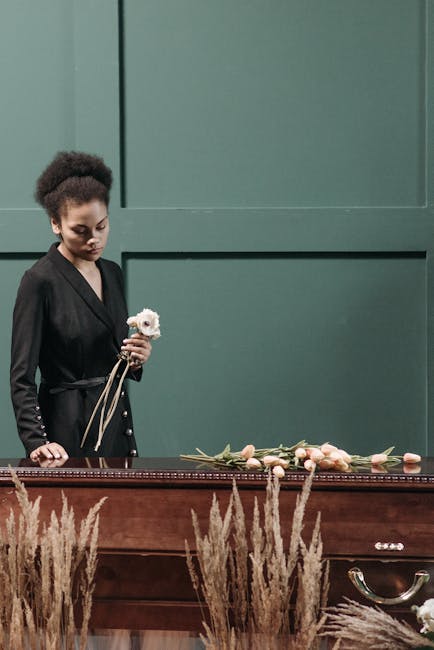
Totteridge Lane funeral flowers reuse rules and options
Posted on 12/10/2026
Arranging funeral flowers is never just a practical task. It is personal, emotional, and often done while your head is full of a hundred other things. If you are looking into Totteridge Lane funeral flowers reuse rules and options, you are probably trying to balance respect, cost, and what happens after the service ends. That is a fair question. What can be reused, what should not be reused, and what are the sensible options in a real-world setting?
This guide explains the common rules and choices in plain English. You will find out how funeral flowers are typically handled after a service, what reuse can mean in practice, what to check before making a decision, and which options tend to work best for families, venues, and florists. There is no fluff here, just the kind of detail that helps when timing matters and emotions are running high.
Why Totteridge Lane funeral flowers reuse rules and options Matters
Funeral flowers carry meaning, and that meaning changes how people think about reuse. A tribute may have been chosen for a coffin, a chapel, a graveside gathering, or a memorial reception. Once the service is over, people often wonder whether it is respectful to reuse the flowers, and if so, how.
For families around Totteridge Lane and nearby north London areas, the issue tends to come down to three things: dignity, practicality, and waste. Funeral flowers can be expensive, especially when arrangements are large, bespoke, or made with seasonal blooms that have a short life once cut. Reusing them, or redirecting them in a thoughtful way, can make sense. But not every arrangement should be handled the same way.
There is also a social side to this. Some families want to keep tributes in the home for a few more days. Others prefer to leave everything as it was placed by mourners. And some simply want to avoid waste, which is understandable. The best answer is rarely a blanket yes or no. It depends on the type of tribute, the condition of the flowers, the wishes of the family, and the setting where they were displayed.
Quick takeaway: reuse is usually less about a strict universal rule and more about respectful judgement. If the flowers are still fresh and the family is comfortable with it, reuse can be a practical and meaningful option.
How Totteridge Lane funeral flowers reuse rules and options Works
In practice, funeral flower reuse starts with a simple question: what sort of arrangement is it, and where has it been used? That matters because some pieces are easy to move and repurpose, while others are specifically created for one ceremonial role.
For example, loose sprays, baskets, and sympathy flowers can often be transferred to a home, a wake venue, or a memorial table after the service. Tribute pieces such as wreaths, hearts, crosses, letters, and casket sprays are more delicate. They may still be reused in part, but that depends on the structure, the flowers selected, and whether the tribute was fixed to a base designed for display only once.
One thing people often overlook is timing. A tribute that looks lovely in the morning can be tired by the evening, especially if it has been in warm air, carried in a vehicle, or left near direct sunlight. You can almost see it happen: a few petals start to curl, the scent changes, and the display loses a bit of lift. That does not mean it is unusable, just that reuse needs a quick assessment.
In most cases, the options are:
- Leave as-is for the full funeral and burial or cremation process.
- Move to a family home for a few more days of remembrance.
- Divide into smaller arrangements for multiple relatives or venues.
- Refresh selected blooms by trimming stems, replacing water, or removing damaged stems.
- Donate or repurpose where the family and venue allow it.
- Compost or dispose respectfully once the flowers are beyond use.
The right choice usually depends on who has responsibility for the flowers after the service. In some services, the florist or funeral director may handle collection. In others, family members are invited to take home any tributes they want. That part can be surprisingly informal, so it is best to ask in advance rather than assume.
Key Benefits and Practical Advantages
There are several real advantages to understanding reuse options before the day of the funeral. The first is clarity. When everyone knows what will happen to the flowers afterwards, there is less awkwardness at the end of the service. That matters more than people think.
Another benefit is emotional continuity. Funeral flowers do not stop being meaningful just because the ceremony ends. A wreath on a mantelpiece, a sympathy bouquet on a kitchen table, or a small spray moved to a bedside can keep that sense of remembrance alive for a little longer. It is a small thing, but sometimes that is exactly what people need.
There is also a practical saving. If you are ordering from a local florist, choosing an arrangement that can be reused or divided into smaller pieces can give better value from the same flowers. That does not mean cutting corners. It means choosing with intention.
Here are the most common benefits:
- Less waste from flowers that are still in good condition.
- More value from a tribute that can continue to be enjoyed.
- Greater flexibility for family homes, wakes, and memorial gatherings.
- Emotional comfort through continued remembrance.
- More sustainable choices where reuse or donation is appropriate.
To be fair, not every arrangement is meant for reuse. Some tributes are created to be presented, viewed, and then left in place. Still, when reuse is possible, it can be a thoughtful extension of the original gesture rather than an afterthought.
Who This Is For and When It Makes Sense
This topic matters to anyone organising or attending a funeral, but it is especially relevant if you are coordinating flowers and want the day to run smoothly. Family members often ask these questions, as do executors, close friends, and sometimes the funeral director who is helping with arrangements.
It makes sense to think about reuse rules and options if:
- you are arranging flowers for a cremation or burial and want to know what happens next;
- you are ordering a large tribute and do not want it to go to waste;
- you expect multiple people to want a keepsake from the service;
- you are planning a wake, reception, or home gathering after the ceremony;
- you want a more sustainable approach without losing the dignity of the tribute;
- you need guidance on whether specific designs, such as wreaths or sprays, can be moved.
The question also comes up when families are comparing arrangements from a local florist. A sensible supplier will usually be able to explain which funeral pieces travel well, which can be refreshed, and which are best left untouched. In our experience, that conversation is easier if you mention your plans early. Even a quick note like, "We may want to take the flowers home afterwards," can change the design recommendations a lot.
If you are still deciding what style of tribute suits the service, it can help to look at a dedicated range of funeral flowers that covers wreaths, sprays, posies, hearts, and other sympathy arrangements. That gives you a clearer sense of which forms are easier to reuse.
Step-by-Step Guidance
Here is a simple, practical way to handle funeral flower reuse without making it more complicated than it needs to be.
- Identify the arrangement type. Is it a wreath, casket spray, basket, posy, cross, letter tribute, or mixed sympathy bouquet? The structure affects what can be moved or reused.
- Ask who is responsible after the service. This may be the family, funeral director, venue staff, or a designated relative. If nobody owns the decision, things can get messy. That happens.
- Check the condition of the flowers. Look for bent stems, browning petals, dehydration, or water loss. A healthy arrangement can usually be reused more easily.
- Decide whether the tribute will stay whole. Some designs should remain intact. Others can be divided into smaller bouquets or table arrangements.
- Move them carefully. Carry the piece level, keep it cool, and avoid leaving it in a hot car. Even a short journey can shorten vase life if the weather is warm.
- Refresh where needed. Trim stems, remove damaged foliage, and place the flowers in clean water as soon as possible.
- Choose the next location. Home, wake venue, graveside, church hall, or memory table are all possible depending on the family's wishes.
- Dispose respectfully if reuse is not suitable. Composting or floral waste disposal may be the best option once the flowers fade. No drama, just care.
If you are choosing flowers now and think reuse may matter later, it is worth selecting designs that are naturally more adaptable. A sympathy basket or mixed bouquet is often easier to reposition than a very rigid tribute. If you want something that can work in both the service and afterwards, browse options like sympathy flowers or softer styles such as a sympathy flowers collection. Those pieces often suit multiple settings.
Expert Tips for Better Results
A few small choices make a surprisingly big difference. First, speak to the florist about reuse before they design the arrangement. A florist can suggest bloom types and structures that hold up better if they will be moved or kept longer. Chrysanthemums, carnations, lilies, alstroemeria, and roses often behave differently once cut, so the mix matters.
Second, think about the journey. A tribute that has to travel across north London in a van, then sit for an hour before the service, needs more robust flowers than one placed immediately on arrival. This is one of those details nobody thinks about until the petals start dropping. Truth be told, flowers can be a bit diva-ish about transport.
Third, keep the family's wishes central. Reuse should never feel like stripping a tribute for parts. If there is any doubt, leave the flowers intact until the most appropriate person has decided what should happen next. Respect comes first.
Fourth, if the arrangement is being divided, do it cleanly. Separate the blooms with care, remove any damaged stems, and use smaller containers with fresh water. A few thoughtful repurposed pieces can feel more personal than one large, fading display.
Finally, if sustainability matters to you, ask whether the florist uses locally sourced flowers, recyclable packaging, or reusable containers. A more sustainable approach can be achieved without making the tribute feel less dignified. That balance is absolutely possible.
You may also want to consider collections that already suit softer reuse, such as a baskets and posies style arrangement, which can be moved easily from service to home without much fuss.
Common Mistakes to Avoid
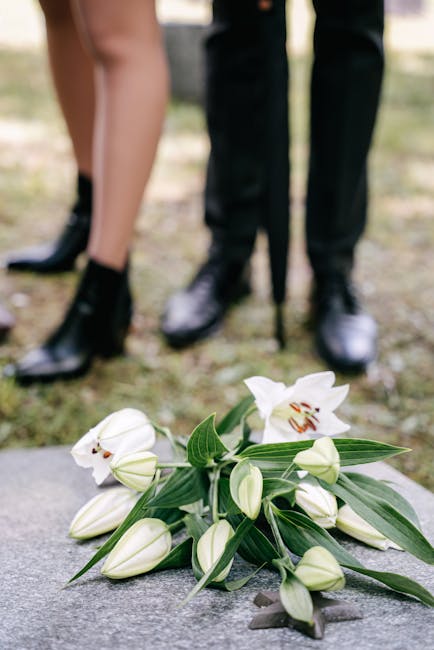
It is easy to get caught up in the emotional side and miss a few practical points. These are the most common mistakes people make with funeral flower reuse:
- Assuming all tributes can be reused the same way. A wreath is not a bouquet, and a casket spray is not a table arrangement.
- Leaving the decision too late. By the time the service ends, some flowers are already past their best.
- Forgetting to ask the venue or funeral director. Some places have a process for collection, others do not.
- Trying to preserve everything. Sometimes the kindest option is to let the flowers remain as they were intended.
- Ignoring temperature and water needs. A warm car boot is not a friend to fresh flowers.
- Over-handling delicate tributes. Letter tributes and shaped pieces can loosen or break if moved carelessly.
- Not telling relatives what is happening. This can create unnecessary upset, especially if someone hoped to keep a particular piece.
There is also a subtle mistake that crops up a lot: people choose a design because it looks beautiful in the brochure, but they never think about what happens after the service. If reuse matters to you, say so at the start. That one sentence can save a lot of hassle later.
Tools, Resources and Recommendations
You do not need specialist equipment, but a few simple items help if you are planning to reuse or move funeral flowers:
- Clean secateurs or sharp scissors for trimming stems.
- Clean containers or vases for smaller arrangements.
- Fresh water for any flowers being kept after the service.
- Cool transport space to avoid heat damage.
- Soft tissue or paper to protect delicate petals during movement.
- Labels or notes if different family members are taking different tributes.
If you are ordering flowers and want a wider choice of styles, the main flower delivery page can be useful for seeing what is available for same-day or next-day arrangements in the local area. That can matter when timings are tight.
For families who care about environmental impact, it is also worth reading a florist's sustainability information. A clear sustainability policy can indicate how packaging, sourcing, and waste are handled. That is not a guarantee of reuse, of course, but it shows the business is thinking about materials with a bit more care than average. If that matters to you, take a look at the sustainability page.
And if you simply need help making a choice, a florist who offers a thoughtful consultation is often more useful than a dozen generic options. Sometimes the best recommendation is the one that fits the day, not the catalogue.
Law, Compliance, Standards, or Best Practice
There is usually no special law that dictates whether funeral flowers can be reused after a service. In most situations, the matter is handled by custom, consent, venue practice, and basic respect. That said, it is wise to be careful with any public or private property where flowers are displayed. If a funeral takes place at a crematorium, church, chapel, cemetery, or hired venue, the staff may have their own expectations about collection and disposal.
From a best-practice perspective, the safest approach is simple:
- get permission before removing tributes from a venue;
- respect the family's wishes above convenience;
- avoid taking flowers that were clearly intended to remain at the graveside or memorial;
- handle any donated flowers in a clean and respectful way;
- be mindful of religious or cultural customs that may affect how tributes are used after the service.
Different communities may have different traditions around funeral tributes. Some welcome repurposing, some prefer the flowers to remain untouched, and some may have symbolic expectations about colour, shape, or placement. If you are unsure, ask rather than assume. That is usually the right move, even if it feels a bit awkward at the time.
Best practice also means using reputable florists who understand memorial arrangements. For example, a florist with experience in funeral flowers is more likely to guide you on practical designs that travel well, hold their shape, and remain dignified if they are reused later.
Options, Methods, or Comparison Table
Below is a straightforward comparison of the most common reuse options. It is not about finding the one perfect answer. It is about choosing the option that fits the arrangement and the family's wishes.
| Option | Best for | Practical advantages | Things to watch |
|---|---|---|---|
| Leave flowers in place | Coffin sprays, wreaths, formal tributes | Most respectful for ceremonial pieces; least handling required | Flowers may fade naturally; not suitable if the family wants them home |
| Take flowers home intact | Sympathy bouquets, baskets, smaller sprays | Easy to keep, enjoy, and remember the day by | Needs transport and fresh water quickly |
| Divide into smaller arrangements | Larger mixed tributes | Shares flowers among relatives or rooms; reduces waste | Can look uneven if handled carelessly |
| Refresh and recondition | Fresh, robust blooms | Extends display life for a few more days | Not all flowers recover well after travel or heat |
| Donate or repurpose | Suitable, still-fresh arrangements | Provides continued use in a respectful context | Needs consent and a suitable recipient |
| Compost or dispose respectfully | Wilted or damaged tributes | Practical, clean, and appropriate when reuse is no longer sensible | Can feel emotionally final, so may need gentle handling |
A useful rule of thumb is this: the more structured the tribute, the more carefully you should think before altering it. The more informal the arrangement, the easier it usually is to redistribute it.
Case Study or Real-World Example
Here is a realistic example. A family orders a white wreath and two sympathy sprays for a service near Totteridge Lane. They also want to keep something at home for the following week, because several relatives could not attend. Before the day, they tell the florist they may want one arrangement to be reusable.
The florist suggests using the wreath as the main tribute at the service and making one of the sprays with sturdier flowers that can be moved afterwards. The wreath stays in place throughout the ceremony, while the spray is taken home carefully in a cool box-style carrier. Once home, the stems are trimmed, a few tired blooms are removed, and the arrangement is placed in fresh water in a clean vase.
Nothing dramatic. Just thoughtful handling. The family later divides a few remaining flowers into small jars for the kitchen table and a windowsill in another room. It sounds simple, but in the middle of grief, simple can be a gift. That is the whole point, really.
Another family may choose the opposite approach: leave everything untouched at the venue and ask that the flowers remain with the coffin until collection by staff. That is equally valid. Reuse is an option, not a duty.
Practical Checklist
Use this quick checklist if you want to plan ahead:
- Confirm whether reuse matters to the family.
- Ask the florist which arrangements are easiest to move or divide.
- Check if the venue has any collection rules.
- Decide who will take responsibility after the service.
- Make sure there are suitable vases or containers ready.
- Keep transport cool and gentle.
- Refresh stems and water as soon as possible.
- Respect any cultural, religious, or family preferences.
- Only donate or repurpose flowers if everyone is comfortable with it.
- Dispose of faded flowers with care once they are no longer suitable.
Best practice tip: if you are unsure, ask one direct question early: "Would you like these flowers to stay at the service, or should we plan for them to be taken home?" It saves time, and it avoids guesswork. Simple, but effective.
For people who want a softer, more flexible arrangement from the outset, browsing thoughtful styles such as tributes or a refined wreaths collection can help you picture what will work best in both the service and afterwards.
Conclusion
Totteridge Lane funeral flowers reuse rules and options come down to a careful balance of respect, practicality, and personal preference. There is no single rule that suits every family, every venue, or every tribute. What matters most is knowing the possibilities before the flowers are needed, so that decisions can be made calmly and kindly.
If you take one thing from this guide, let it be this: the best reuse plan is the one that honours the person being remembered, keeps the flowers looking their best for as long as possible, and avoids unnecessary waste without causing stress. That is a very human kind of balance. And sometimes, that is enough.
Get a free quote today and see how much you can save.
If you are planning funeral flowers in the Totteridge area and want something that feels thoughtful from the start, speak with a local florist early. A brief conversation now can make the day easier later, and that peace of mind is worth a lot.
Frequently Asked Questions
Can funeral flowers be reused after the service?
Yes, often they can, but it depends on the type of arrangement, its condition, and the wishes of the family. Sympathy bouquets, baskets, and some sprays are easier to reuse than rigid ceremonial tributes.
Are there any rules for reusing funeral flowers on Totteridge Lane?
There is usually no special legal rule specific to the lane itself. The main considerations are the venue's policy, the family's wishes, and respectful handling. If a crematorium, church, or funeral director is involved, check with them first.
Which funeral flower arrangements are easiest to take home?
Smaller bouquets, sympathy baskets, and simple sprays are usually the easiest. They travel better, are simpler to re-water, and can be placed in a vase quickly without much fuss.
Can a wreath be reused?
Sometimes, yes, but it is usually more delicate and less practical to alter than a bouquet or basket. Many wreaths are best left intact unless a florist says the structure can be safely refreshed or partially reused.
What should I do with funeral flowers after the service?
You can leave them in place, take them home, divide them among relatives, refresh them in water, donate them if appropriate, or compost them once they have faded. The best option depends on the arrangement and the family's preference.
How long do reused funeral flowers usually last?
That varies a lot. Some may last several days if they are in good condition and handled properly, while others may only look good for a short time after the service. Heat, travel, and flower type all make a difference.
Can I split one large funeral tribute into smaller arrangements?
Yes, that is often possible if the flowers are fresh and the structure allows it. It works best with mixed tributes, sprays, and baskets. Very structured pieces may be harder to divide cleanly.
Is it respectful to donate funeral flowers?
It can be, provided the family agrees and the flowers are still suitable for reuse. The key is consent and context. A thoughtful donation can be a kind way to extend the life of the tribute.
Should I tell the florist that I may want to reuse the flowers?
Absolutely. That helps the florist choose sturdier blooms, better mechanics, and a more flexible design. It is one of the simplest ways to make reuse easier later.
Do reused funeral flowers need special care?
Yes. Trim the stems, use clean containers, change the water, and keep them cool where possible. A little care can extend their life noticeably, though not every flower will recover well.
What if the flowers are too damaged to reuse?
Then respectful disposal is the best option. Once flowers have wilted or been damaged beyond recovery, composting or floral waste disposal is usually the most appropriate route.
Can funeral flowers be reused for another memorial event?
They can, if they remain fresh enough and the family is comfortable with it. Some people use the same flowers again for a later remembrance gathering, which can feel very meaningful.
How do I choose funeral flowers that can be reused more easily?
Ask for arrangements with sturdier flowers, simple mechanics, and flexible containers. A florist can suggest options that are both dignified for the service and practical afterwards, which is often the sweet spot.
What is the most respectful thing to do if I am unsure?
Ask the family or funeral director before moving anything. When in doubt, keep the flowers where they are until someone who knows the wishes of the family makes the call. That is usually the safest and kindest choice.